Buying a property in a foreign country can feel daunting, but the allure of owning a piece of Vietnam—a land of vibrant culture, stunning landscapes, and rapidly growing economy—makes the prospect incredibly enticing. This comprehensive guide will demystify the process of Buy houses in Vietnam, specifically focusing on the requirements and procedures for foreign nationals. We’ll navigate the intricacies of Vietnamese real estate law, explore financing options, and provide practical tips to help you successfully navigate this exciting journey. This article aims to equip you with the knowledge and confidence to confidently pursue your dream of owning a home in Vietnam.
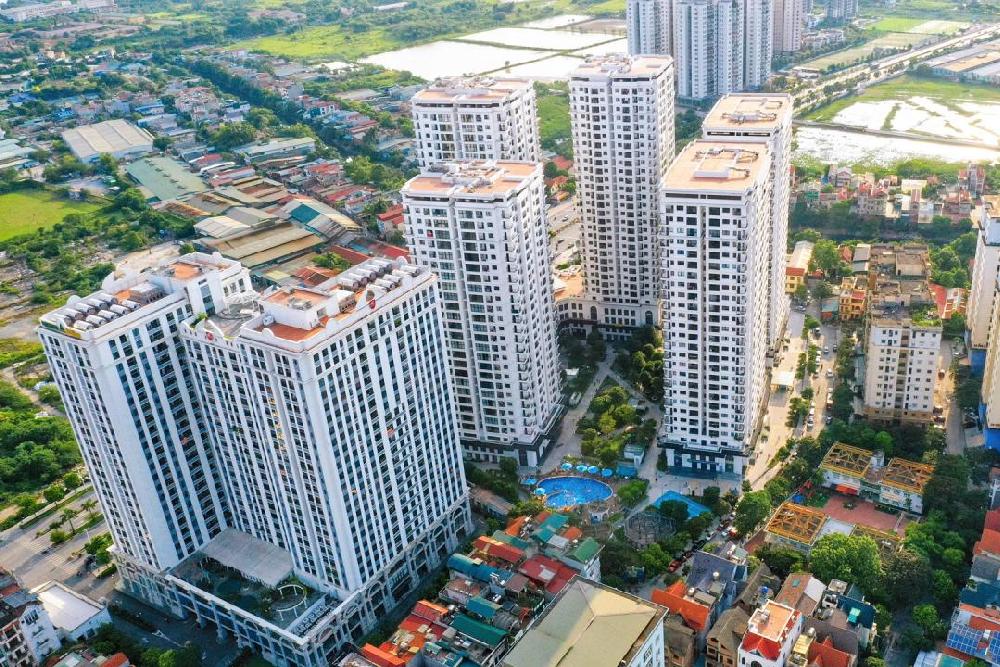
Buy Houses in Vietnam
The Vietnamese real estate market presents a unique blend of opportunities and challenges for foreign investors. While the government has implemented regulations to manage foreign ownership, the market itself is dynamic and offers a wide range of properties, from luxurious beachfront villas to modern city apartments. Understanding the nuances of the market, coupled with careful planning, is key to a successful purchase. The dream of Buy houses in Vietnam for many foreigners becomes a reality with right steps, enough patience and a well defined purchasing strategy.
Navigating the Legal Landscape
Vietnam’s legal framework concerning foreign property ownership is multifaceted, often requiring expert legal counsel. Foreigners aren’t permitted to own land outright; however, they can own apartments and houses within legally approved developments. This legal distinction might seem complex, yet it’s crucial to understand it to avoid potential future complications.
The most common method for foreigners to buy houses in Vietnam is through purchasing apartments or villas within a condominium project or a designated development area explicitly permitting foreign ownership. Carefully review all legal documentation and engage reputable lawyers who specialize in Vietnamese property law. Transparency and due diligence are paramount in this stage. Don’t hesitate to ask questions and seek clarifications until you fully comprehend all aspects of the transaction.
Understanding Property Types and Locations
Vietnam offers a diverse selection of property types and locations. Coastal cities like Nha Trang and Da Nang boast luxury apartments and beachfront villas, attracting a global clientele. Ho Chi Minh City and Hanoi, the nation’s economic hubs, offer a vast array of properties, from high-rise condominiums to traditional townhouses. Rural areas might offer quieter life, with land ownership restrictions still in place. Therefore, understanding which type of property aligns with your lifestyle and budget is crucial before embarking on the property hunting journey.
The location significantly influences the property’s price and potential returns. Conduct thorough research to determine the desirability of a specific area, considering factors such as proximity to amenities, transportation links, and the overall development outlook.
Financial Considerations and Due Diligence
Financing a property purchase in Vietnam might involve securing a mortgage from a Vietnamese bank or utilizing personal funds. Banks typically require robust documentation, including proof of income, credit history, and a substantial down payment. A comprehensive financial plan is crucial, encompassing not only the purchase price but also associated costs such as legal fees, transfer taxes, and potential renovation expenses.
Furthermore, independent due diligence is critical. This involves thoroughly verifying the legal ownership of the property, ensuring that all documents are in order, and confirming that there are no outstanding debts or liens against it. This due diligence mitigates potential risks and protects your investment. Independent legal counsel offers assurance and expertise in this complex area.
Buy houses in vietnam for foreigners
The process of buying houses in Vietnam for foreigners hinges significantly on satisfying specific legal and financial criteria. This isn’t just about securing the property; it is about fulfilling the regulatory framework. The procedure, while potentially complex, is navigable with diligent preparation and guidance from the right professionals. Buy houses in vietnam for foreigners requires understanding Vietnamese laws and regulations governing property ownership.
Visa Requirements and Residency Status
Firstly, a valid passport and visa are essential. The type of visa influences the permitted length of stay and consequently, the purchasing options. A long-term visa or permanent residency status typically makes the process less complex as it reflects a stronger commitment to living in Vietnam.
Understanding your visa status is crucial. It determines your eligibility for property ownership, the types of properties you can own, and the overall process. Improper or deficient visa classification can lead to substantial setbacks and even invalidate your purchase.
Financial Documentation and Proof of Funds
Foreign buyers, aiming to Buy houses in vietnam for foreigners, must demonstrate sufficient financial capability to complete the purchase. This usually involves providing bank statements, proof of income, and other financial documentation, showcasing the capacity to settle the total purchase price.
Financial institutions usually carry out rigorous due diligence processes. Therefore, having all required documentation—clearly presented and completely translated—avoids unnecessary delays during the transaction’s crucial stages. This part of the process will vary slightly across different financial institutions in Vietnam.
Legal and Contractual Aspects
Engaging a Vietnamese lawyer is highly recommended. They can ensure the legal compliance of any purchase and can help guide you through the often intricate legal processes involved. Having a legal professional working on the matter minimizes unforeseen complications.
Contracts should be scrutinized thoroughly before signing. It bears repeating that a lawyer specialized in Vietnamese property law should always review and confirm the contract’s terms before your signature is affixed. A legally watertight agreement serves as your protection.
What procedures do foreigners need to buy houses in Vietnam?
The procedures for buying real estate in Vietnam are specific. Understanding the step-by-step process, from initial research to final ownership confirmation, significantly enhances the transaction’s efficiency and ensures a smoother process for foreigners wishing to Buy houses in Vietnam.
Property Identification and Due Diligence
Thoroughly researching properties and conducting complete due diligence are paramount. Visiting potential properties in person is crucial, enabling a personal assessment of condition, location, and suitability. Engaging a trusted real estate agent with a proven track record can simplify this search.
Due diligence involves verifying the property’s legal status, ownership history, and possible encumbrances. Failing this step may lead to unexpected legal complications or financial losses. Therefore, it’s wise to prioritize a diligent and detailed investigation before proceeding further.
Negotiating the Purchase Price and Terms
Once a suitable property is identified, negotiating the purchase price and the terms of the sale is the next stage. It’s advisable to have your lawyer present during these negotiations to advise on all aspects, including avoiding misunderstandings regarding the contract terms.
This negotiation requires understanding the market value of similar properties in that area. Using market analysis data, comparative property assessments, and expert guidance, you will be well-prepared for this crucial phase. Effective communication and a clear understanding of your budget limits are equally important.
Completion of the Transaction and Ownership Transfer
After price and terms are agreed, the final steps involve formalizing the purchase agreement, securing financing (if applicable), and completing the property transfer. This usually involves engaging a notary public to ensure the process’s legality. The final transfer of ownership documents involves compliance with all regulatory and governmental requirements.
This phase requires precise coordination between the buyer, seller, and involved legal and financial institutions. Maintaining close contact with all participants and ensuring timely completion of all steps guarantees a smooth transition of ownership and compliance with all legal aspects.
Conclusion
Buying houses in Vietnam presents significant opportunities but requires careful preparation. Understanding the legal framework, completing thorough due diligence, and assembling a strong professional team are pivotal to a successful outcome. Navigating the nuances of the Vietnamese real estate sector, while potentially challenging, ultimately opens doors to rewarding ownership experiences. While the process of Buy houses in Vietnam, particularly for Buy houses in vietnam for foreigners, can be daunting, with the correct approach, solid planning, and an understanding of the necessary procedures do foreigners need to buy houses in Vietnam?, you can realize your dream property. Remember that seeking expert legal and financial advice throughout the entire process is instrumental in securing a successful and legally sound real estate transaction within Vietnam.